
In the modern American landscape of 2026, the humble downspout has undergone a radical transformation, shifting from a neglected utility pipe to a vital architectural feature. Homeowners are increasingly viewing rainwater management as an opportunity to blend environmental stewardship with sophisticated exterior aesthetics. Rather than hiding these functional elements, the latest trends focus on celebrating the journey of water through the property with sculptural materials, hidden underground marvels, and lush botanical integrations.
Effective drainage is no longer just about protecting your foundation from the moisture-heavy climates of the Pacific Northwest or the sudden summer downpours of the South; it is about curated outdoor storytelling. By rethinking how water moves from the roof to the soil, you can elevate your home’s curb appeal while creating a sustainable ecosystem that feels like a natural extension of your living space.
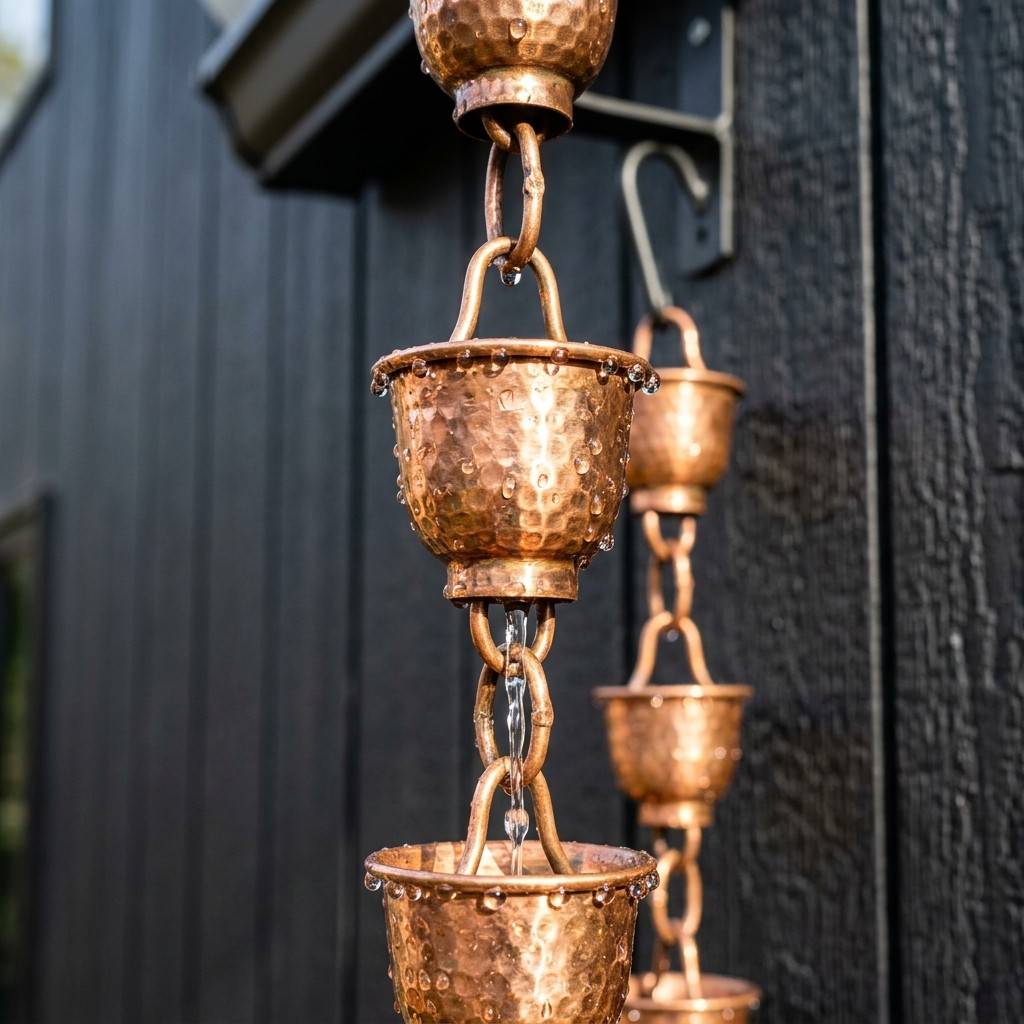
1. The Sculptural Copper Rain Chain Cascade
Moving away from traditional enclosed pipes, the modern rain chain serves as a mesmerizing kinetic sculpture that turns a rainy afternoon into a visual performance. High-quality copper chains develop a stunning patina over time, grounding your home’s exterior with an organic, lived-in luxury that complements both modern and traditional architecture. This solution is particularly effective for entryways where the sound of trickling water provides a soothing acoustic backdrop for arriving guests.
2. Geometric Architectural Downspout Shrouds
For those who prefer a minimalist, clean-lined aesthetic, geometric metal shrouds can be installed to “box in” traditional downspouts, creating a seamless vertical pillar. These are often finished in matte charcoal or deep bronze to match modern window frames, effectively turning a messy utility line into a crisp architectural detail. This approach works exceptionally well on contemporary builds where every line on the facade must serve a deliberate visual purpose.
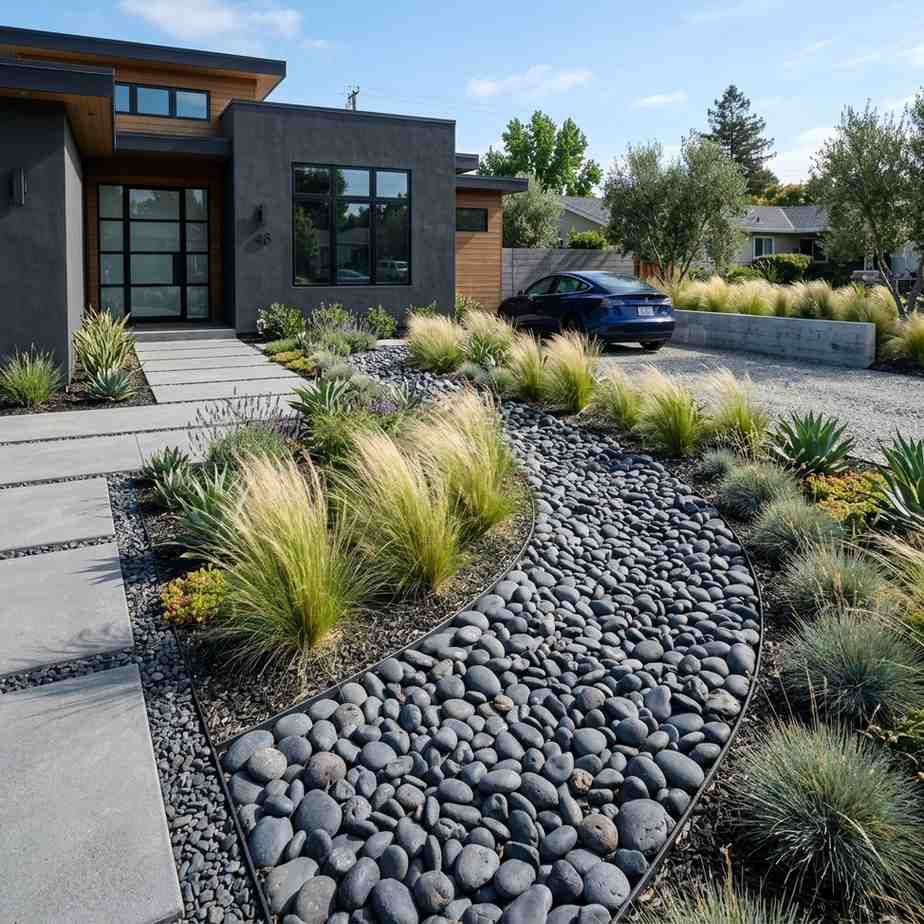
3. The Naturalist Dry Creek Bed Diverter
Transforming a drainage path into a dry creek bed is one of the most effective ways to manage heavy runoff while adding rugged texture to your landscaping. Using a mix of river rocks, large boulders, and slate, you can create a winding “river” that remains dry and beautiful most of the time but becomes a functional waterway during storms. Much like the enchanting atmosphere found in dark cottagecore house interior ideas, this method naturally slows down water velocity and creates a moody, woodland aesthetic that allows the earth to absorb moisture more efficiently.

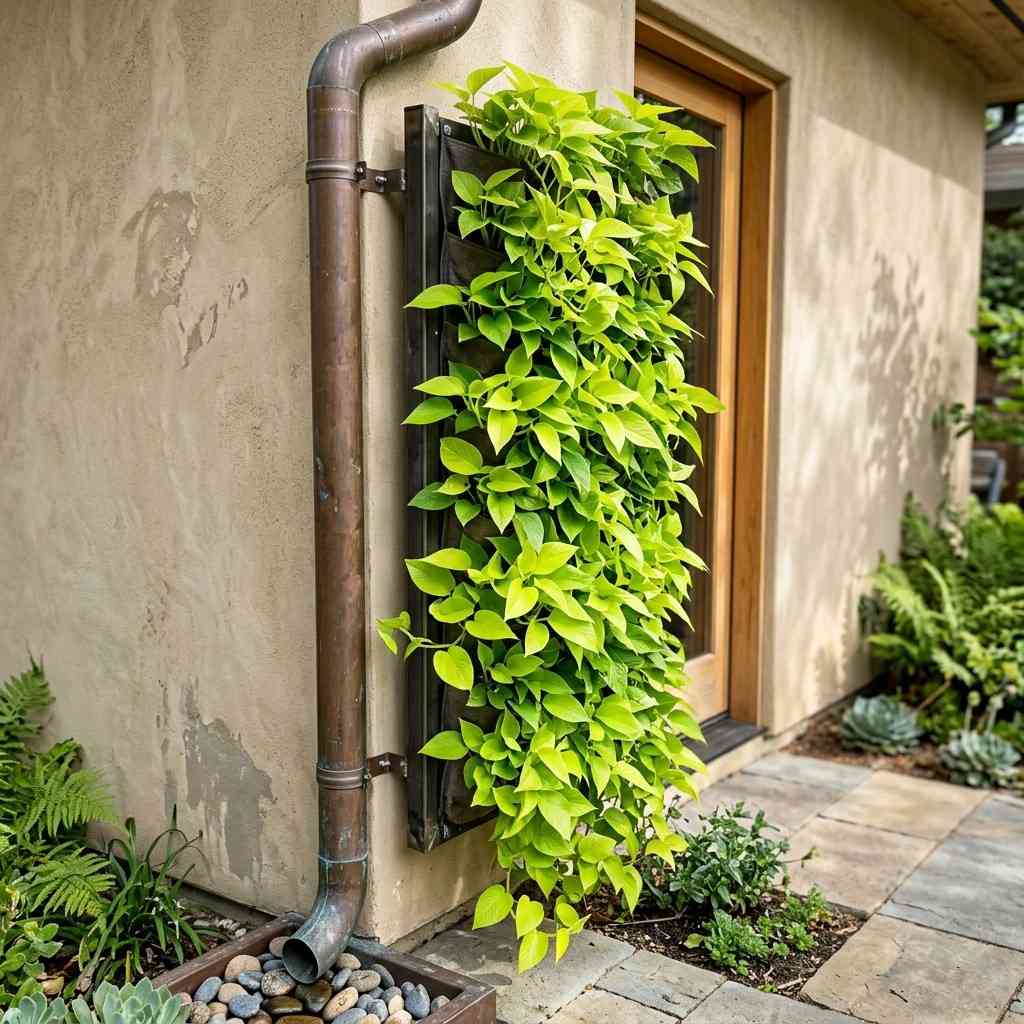
4. Integrated Vertical Planter Systems
Why waste nutrient-rich rainwater when you can use it to nourish a vertical living wall directly attached to your downspout system? Modern downspout planters are designed with internal filtration layers that allow water to hydrate tiers of moisture-loving ferns or hostas before the excess is safely diverted away. This creates a lush “green pillar” effect that softens the transition between your home’s siding and the surrounding garden.
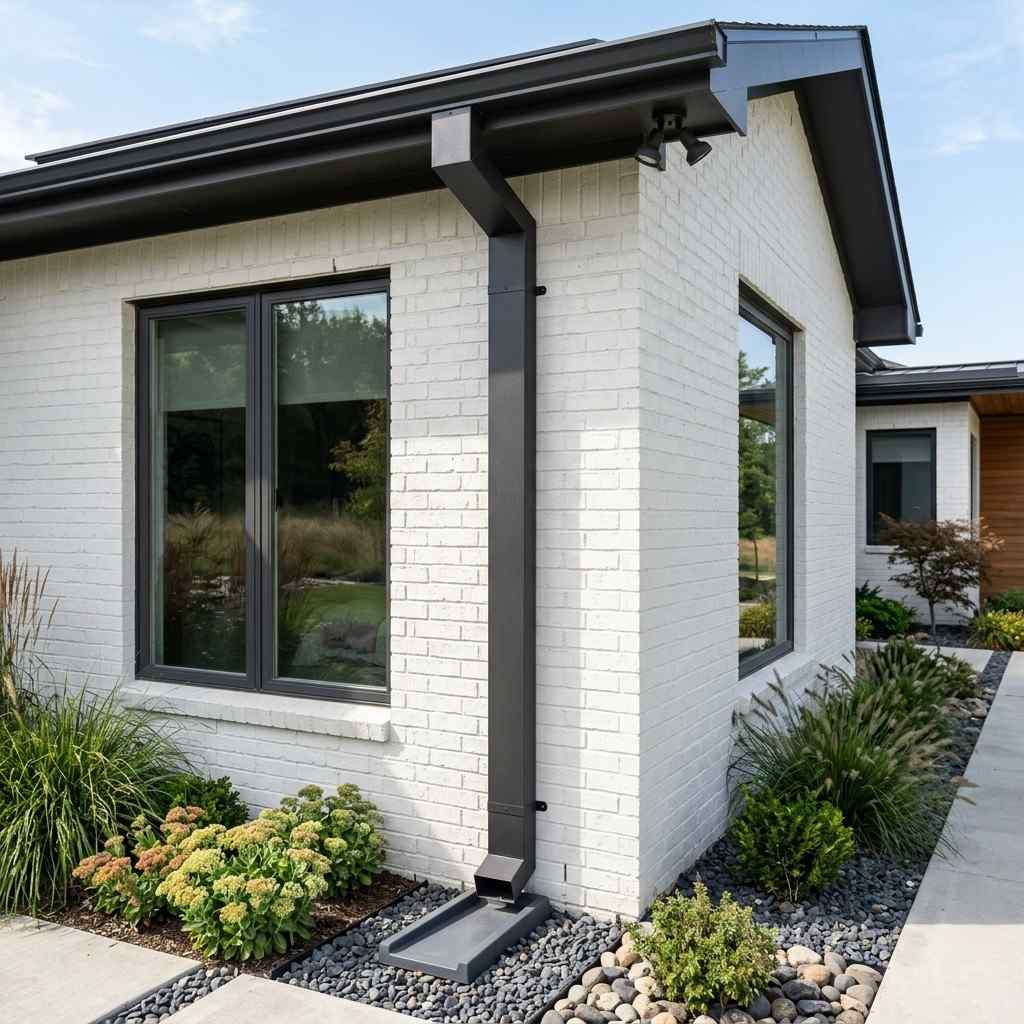
5. Mid-Century Modern Splash Block Tiles
The standard concrete splash block has been reimagined as a piece of geometric floor art, utilizing laser-cut patterns and vibrant outdoor-grade materials. These modern splash blocks are oversized and feature deep grooves designed to break the surface tension of falling water, diffusing its energy and preventing “splash-back” on your home’s foundation. They serve as a sophisticated “landing pad” that bridges the gap between your vertical drainage and your horizontal garden paths.
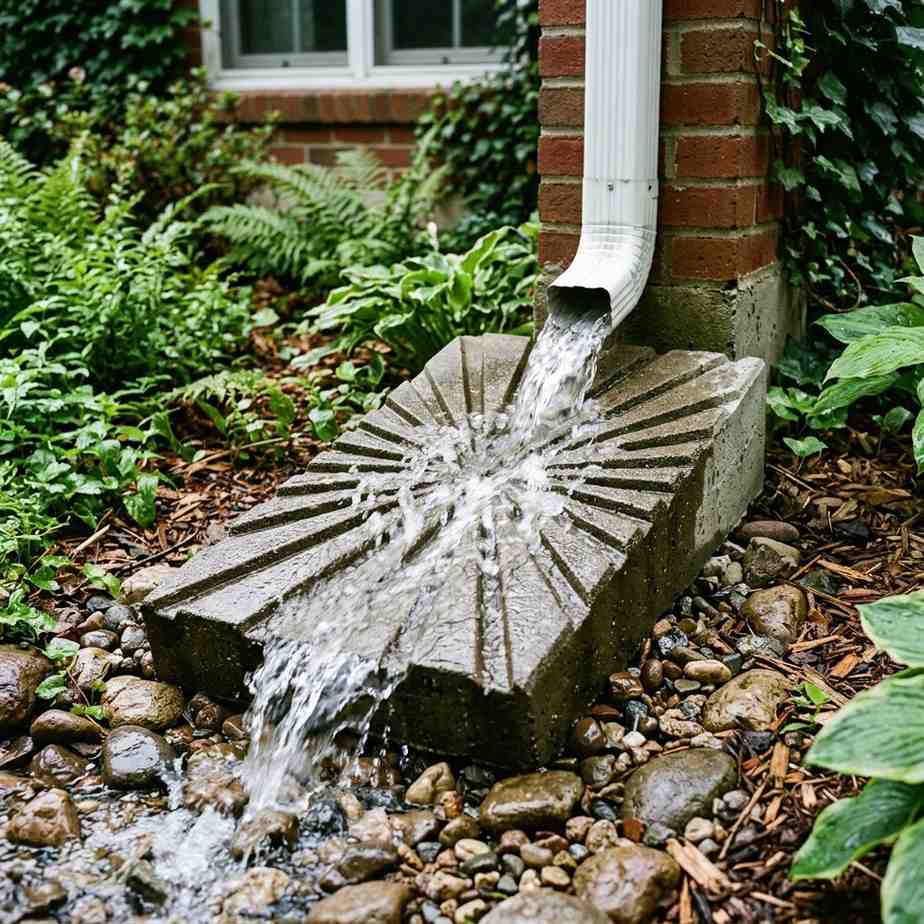
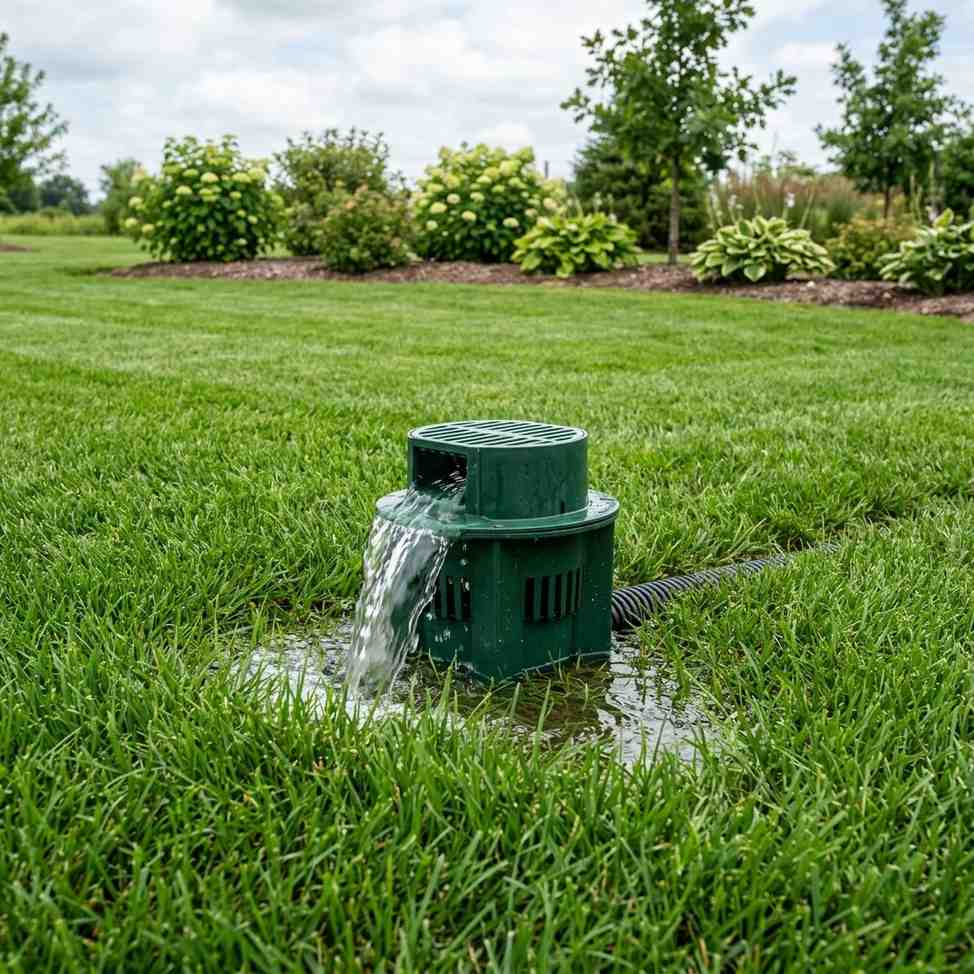
6. Subsurface Pop-Up Emitter Networks
For homeowners who value a pristine, unobstructed lawn, the subsurface pop-up emitter is the ultimate “invisible” drainage solution. Water is carried through buried PVC pipes to a low-lying area of the yard, where a spring-loaded cap only opens when water pressure builds up during a storm. Just as you might implement garage organization ideas to keep your indoor workspace clear and functional, this system keeps your outdoor landscape clutter-free. Once the rain stops, the emitter sits flush with the turf, allowing you to mow right over it without ever seeing a single pipe.
7. The Bio-Retention Rain Garden Basin
A rain garden is a purposeful depression in your landscape filled with native deep-rooted plants specifically chosen to filter pollutants and absorb massive amounts of runoff. By directing your downspout into a beautifully landscaped rain garden, you create a mini-ecosystem that attracts butterflies and birds while solving local flooding issues. This is a far more sophisticated and eco-friendly alternative to simply dumping water into the street or sewer system.
8. Industrial Steel Catch Basin Grates
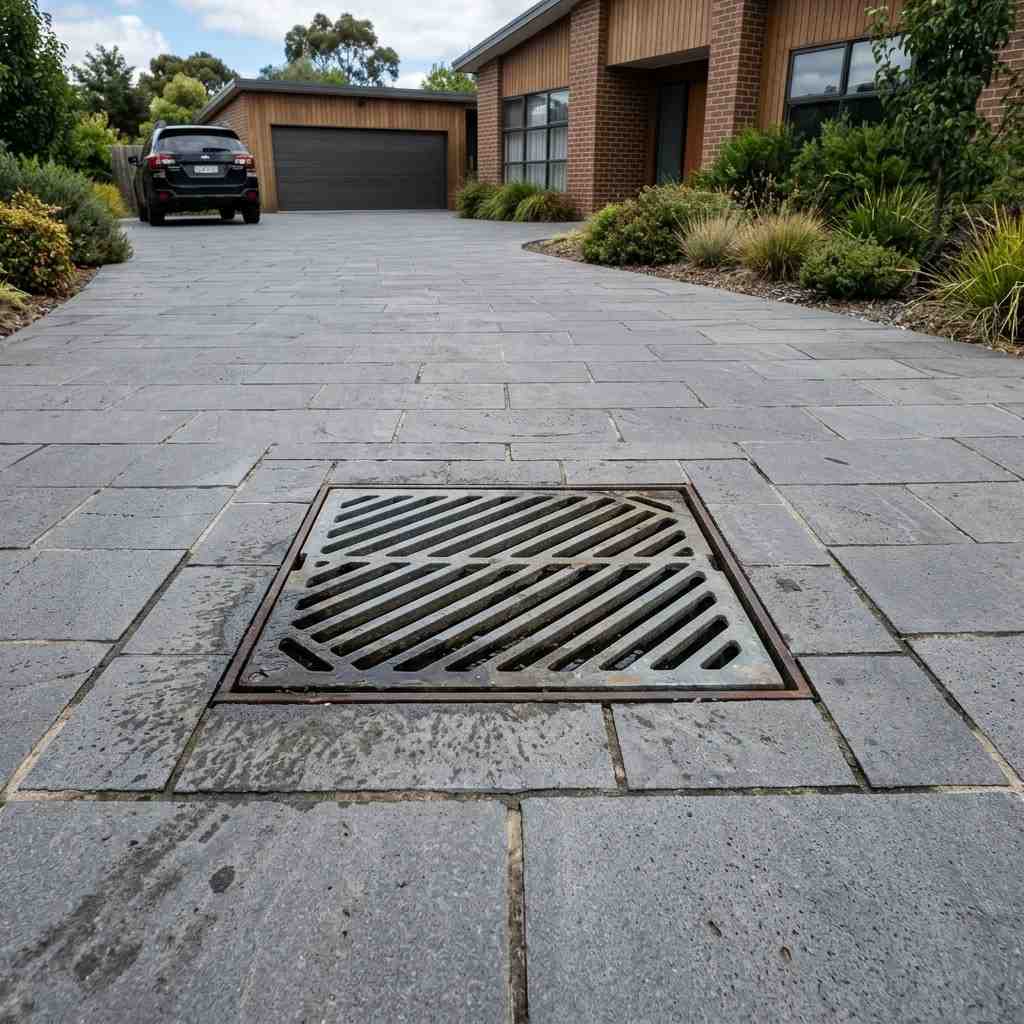
In high-traffic areas like patios or driveways, industrial-style steel grates offer a rugged, “loft-style” aesthetic that handles heavy water volume with ease. These heavy-duty catch basins are often integrated into modern paver designs, using linear slots that mimic the clean lines found in professional urban architecture. The contrast between the cold metal and warm stone pavers creates a high-end look that is both functional and incredibly durable.
9. Hidden French Drain Gravel Paths
The classic French drain has been updated for 2026 by using decorative pea gravel and hidden perforated pipes that double as garden walkways. By burying the drainage system beneath a path of white quartz or dark basalt chips, you create a functional transit route for both water and people. This dual-purpose design is perfect for narrow side yards where space is limited but drainage is a critical concern for the basement.
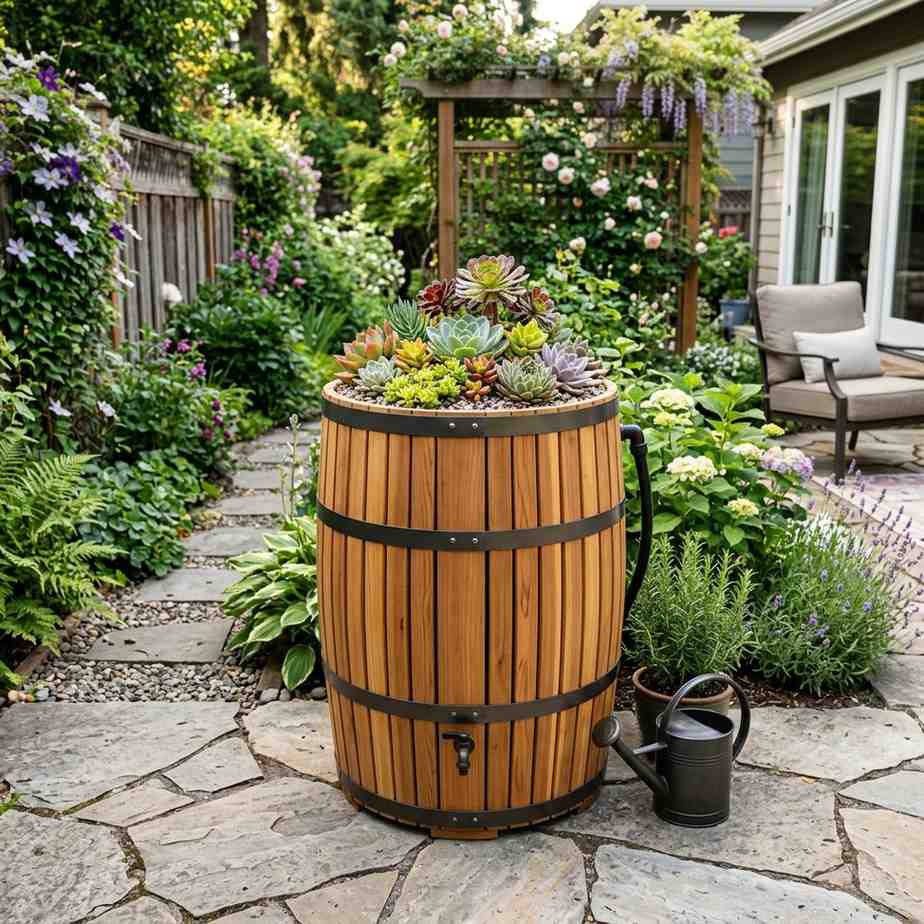
10. Recycled Architectural Rain Barrels
Modern rain barrels have evolved far beyond the blue plastic tubs of the past, now appearing as sleek, wood-slatted cylinders or faux-stone urns. These storage units allow you to harvest water for your garden while serving as a decorative focal point near your back deck or porch. To elevate the look, consider a barrel with an integrated planter top, which works wonderfully alongside fairy garden ideas to create a magical, whimsical water station in your backyard.
11. Slate Tile Cascading Waterfalls
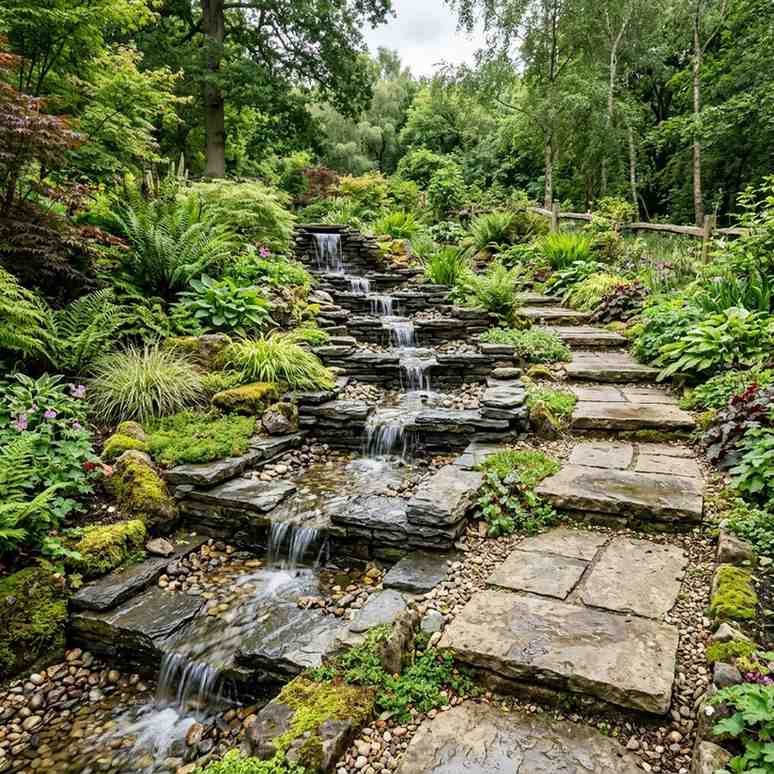
Instead of a pipe, you can direct water over a series of stacked slate tiles or large flagstones to create a “cascading waterfall” effect along the side of your home. This approach works beautifully on properties with a natural slope, as the water can be channeled into a series of tiered basins that slow the flow. It turns a potential drainage problem into a high-end water feature that adds significant value to your outdoor living space.
12. Modernist Gabion Basket Outlets
Gabion baskets—wire cages filled with uniform stones—are a staple of modern landscape design and make excellent energy dissipators for high-velocity downspouts. By placing a small, rectangular gabion at the exit of your drainage pipe, you create an industrial-chic feature that prevents soil washout. The combination of structural wire and natural stone provides a textured, masculine look that pairs perfectly with steel-sided or concrete homes.
13. Underground Cistern Irrigation Links
For the ultimate in high-tech sustainability, your downspouts can be linked directly to an underground cistern equipped with a smart pump system. This collected water is then redistributed through your lawn’s irrigation system during dry spells, significantly reducing your water bill and environmental footprint. This efficient use of resources ensures your garden thrives, perhaps providing the perfect backdrop for children to play with mud kitchen ideas using the naturally recycled rainwater.
14. Decorative Iron Leader Heads
The leader head, or “conductor head,” is an architectural classic that has seen a modern resurgence in custom-forged iron and sleek aluminum. These funnel-like boxes sit at the top of the downspout, allowing air into the system to prevent vacuum clogs while providing a “jewelry-like” accent to your roofline. Choosing a leader head with a custom monogram or geometric cutout adds a layer of personalization that makes your home feel truly bespoke.
15. Minimalist Glass Rain Columns
In ultra-modern architectural circles, transparent glass or heavy-duty acrylic columns are being used as downspouts to allow the homeowner to see the water falling. This “transparent plumbing” creates a futuristic aesthetic that celebrates the transparency and movement of natural elements. When paired with internal LED lighting, these columns can even be illuminated at night, turning a rainy evening into a luminous light show.
16. Stepping Stone “Moat” Channels
You can create a “moat” effect by installing narrow, gravel-filled channels that run alongside your home’s foundation, topped with oversized floating stepping stones. This design ensures that all water falling from the eaves is immediately captured and directed to a central drain while providing a stylish walkway. If you are also refreshing your interior, you can find whimsical interior ideas to mirror this sense of creative flow within your home’s architecture.
17. The Herb-Infused Edible Rain Channel
For the urban homesteader, downspout water can be diverted into raised “wicking beds” filled with moisture-loving herbs and edible greens. By using a series of clever overflow valves, you can ensure your plants get the hydration they need without drowning during heavy storms. This turns your drainage system into a literal “life-line” for a productive kitchen garden that sits just steps from your back door.
18. Decorative Ceramic Pipe Extensions
Move away from plastic or metal extensions and opt for large-scale ceramic pipes with hand-glazed finishes or intricate textures. These extensions act as beautiful garden sculptures that lay horizontally across your mulch beds, directing water away from the house with a touch of artisanal craftsmanship. To complete this nature-friendly sanctuary, you can pair these extensions with homemade bird bath ideas to invite more wildlife into your garden.
19. Hidden Gutter-to-Gully Systems
If your property features a natural gully or ravine, you can utilize a “hidden” flexible hose system that stays tucked beneath a layer of pine needles or forest mulch. This allows the water to travel long distances away from the foundation without the need for expensive trenching or visible piping. It is the perfect solution for homes on wooded lots where a natural, undisturbed forest floor aesthetic is the primary goal.
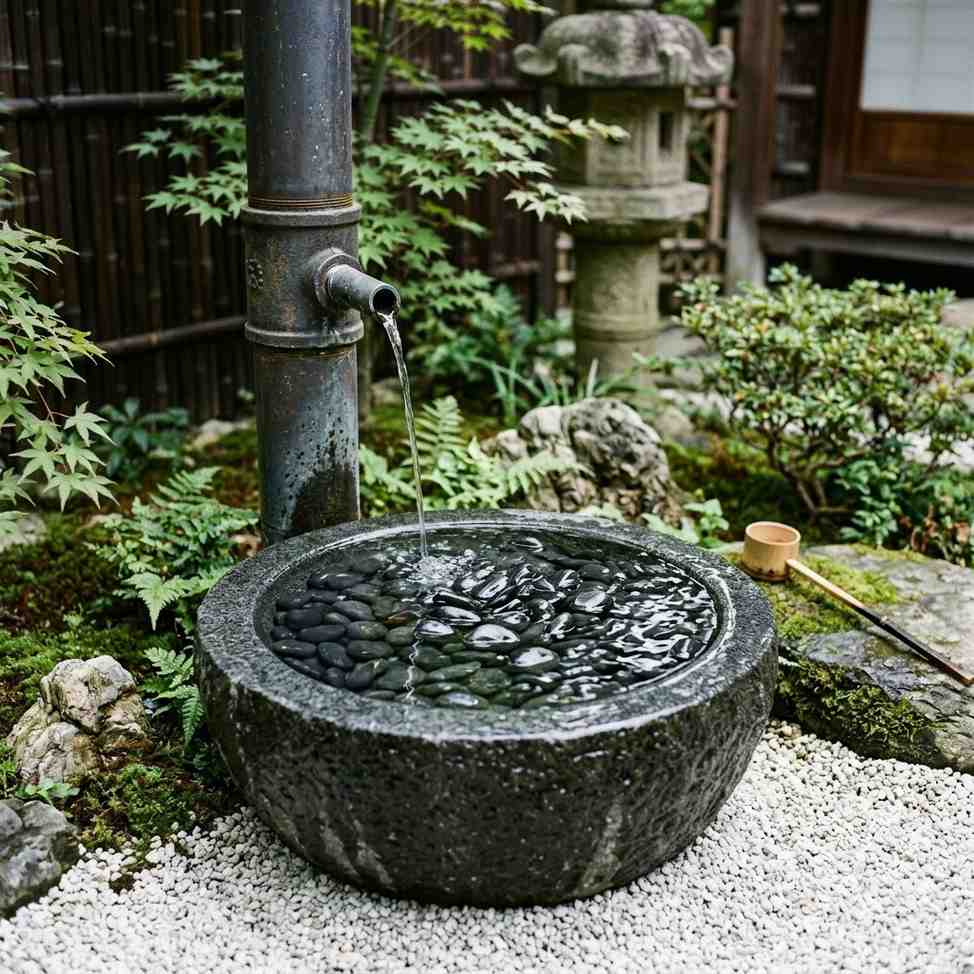
20. Zen-Inspired Pebble Basin Dispersers
A simple yet profound modern solution is the recessed pebble basin, where a small area at the base of the downspout is excavated and filled with smooth, black river pebbles. This creates a clean, circular “well” that captures and calms the water before it can splash onto the surrounding lawn. This minimalist approach is incredibly easy to maintain and provides a sophisticated, Japanese-inspired finish that works with any modern landscape.
Conclusion
Mastering the art of drainage is one of the most rewarding ways to protect your property investment while enhancing its aesthetic appeal. By moving beyond basic plastic pipes and embracing these twenty stylish drainage ideas, you transform a necessary utility into a deliberate design choice. Whether you opt for the visible charm of a copper rain chain or the hidden efficiency of a pop-up emitter, your home will benefit from improved water management and undeniable curb appeal. For those looking to coordinate their sibling-shared spaces while the exterior is being renovated, exploring two girls bedroom ideas perfect for sisters will ensure the interior is just as organized and stylish as your new landscape.