
The Architecture of Messy Play The modern American backyard is no longer just a lawn; it is a curated environment for development, and the mud kitchen serves as the premier “laboratory” for young minds. Integrating a high-quality sink into this space provides the essential element of water, turning basic dirt into a versatile medium for creativity. As we move toward more integrated outdoor living, these play sinks are designed to be as durable as they are beautiful, ensuring your garden remains a sanctuary of both play and professional design.
1. The Undermount Stainless Steel Pro
For a sleek, industrial look that mirrors a professional chef’s station, an undermount stainless steel sink is the gold standard for durability. These sinks are incredibly easy to hose down after a heavy day of mud-mixing and provide a deep basin that prevents excessive splashing onto the wooden frame. This choice brings a touch of modern efficiency to the garden, much like the streamlined utility found in our RV Kitchen Transformations guide.

2. Hammered Copper “Potion” Basins
Copper is a magical material for outdoor play because it develops a stunning turquoise patina over time when exposed to the elements and water. A shallow hammered copper basin adds a warm, metallic glow to a dark-stained wood frame, creating an enchanting environment for “brewing” floral teas and mud stews. This aesthetic bridges the gap between play and high-end garden art, echoing the metallic luxury of our Bathroom Wall Art Ideas.
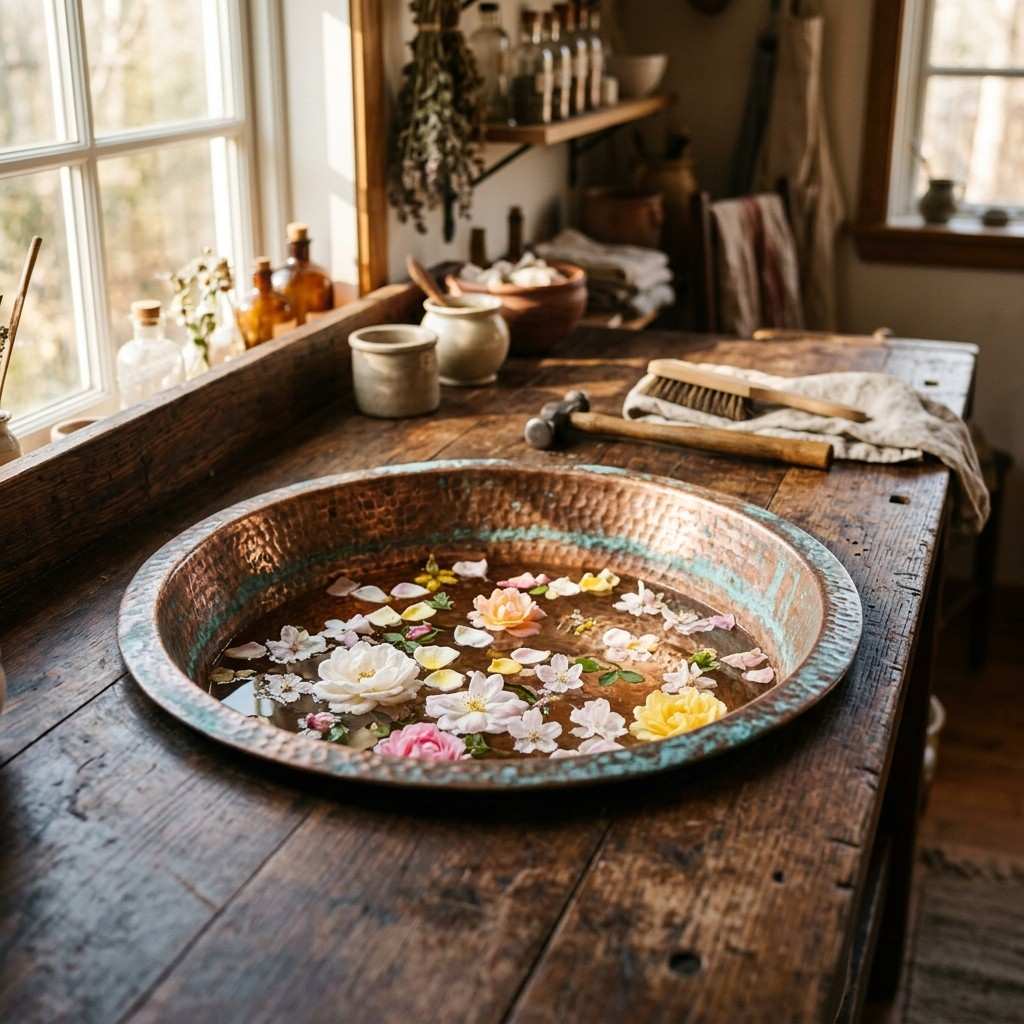
3. Double-Basin Farmhouse Ceramic
A classic white ceramic farmhouse sink provides two distinct zones for play: one for heavy mud mixing and one for “rinsing” play dishes. The heavy-duty nature of fireclay or ceramic ensures it won’t dent or scratch easily, while its bright white finish pops beautifully against a natural cedar kitchen frame. It is a timeless look that provides a sense of domestic permanence and quality in your child’s private outdoor culinary retreat.
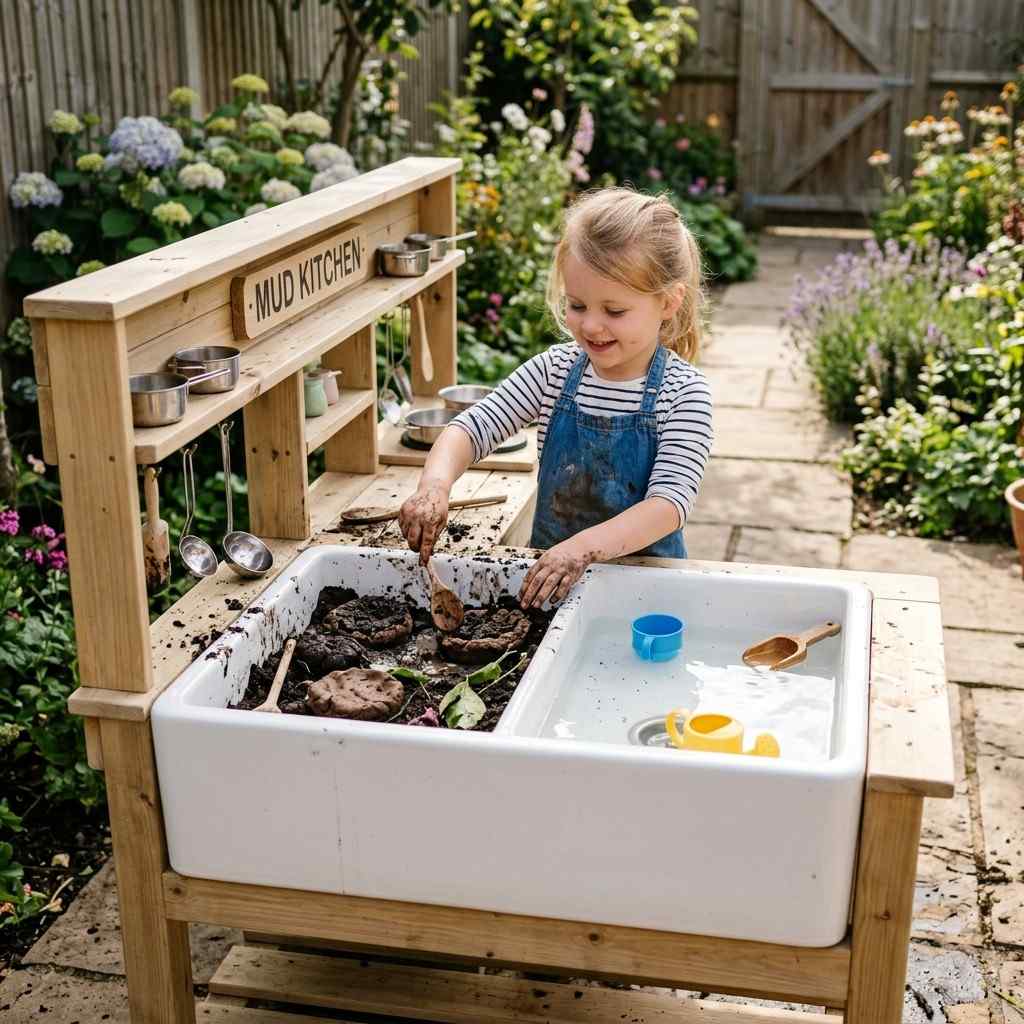
4. Integrated Concrete Trough Sinks
Concrete is a premier material for 2026 outdoor play because it can be cast into custom shapes with integrated drainage slopes. A long, shallow concrete trough allows multiple children to play side-by-side without crowding, encouraging social development and collaborative “cooking.” This material choice is virtually indestructible and pairs perfectly with the structural, permanent feel of the Door Exterior Ideas we champion for modern facades.

5. Repurposed Vintage Enamel Washbasins
There is a soulful charm in using a vintage white-and-black enamel washbasin that features a bit of “distressed” history. These lightweight basins are easy to remove and clean, making them perfect for smaller mud kitchen builds where flexibility is key. This upcycled approach adds a layer of curated, “lived-in” history to the backyard, providing a whimsical contrast to the sharp lines of a contemporary, newly remodeled home.

6. The Working “Off-Grid” Pump Sink
Integrating a functional hand-crank water pump into a simple wooden basin turns the act of getting water into a rewarding physical activity for children. This “off-grid” style encourages a deeper understanding of mechanics and resource management while providing a steady stream of water for messy projects. It’s a high-utility addition that makes the mud kitchen feel like a real working station rather than just a static toy.

7. Translucent Acrylic Rainbow Basins
Clear or tinted acrylic basins allow sunlight to pass through the water, creating colorful shadows and “rainbow” reflections on the ground below. These modern, lightweight sinks are visually striking and add a playful, high-energy vibe to the garden that children find absolutely captivating. The transparency allows kids to see their “concoctions” from the side, adding a whole new dimension to their sensory observations and scientific play.
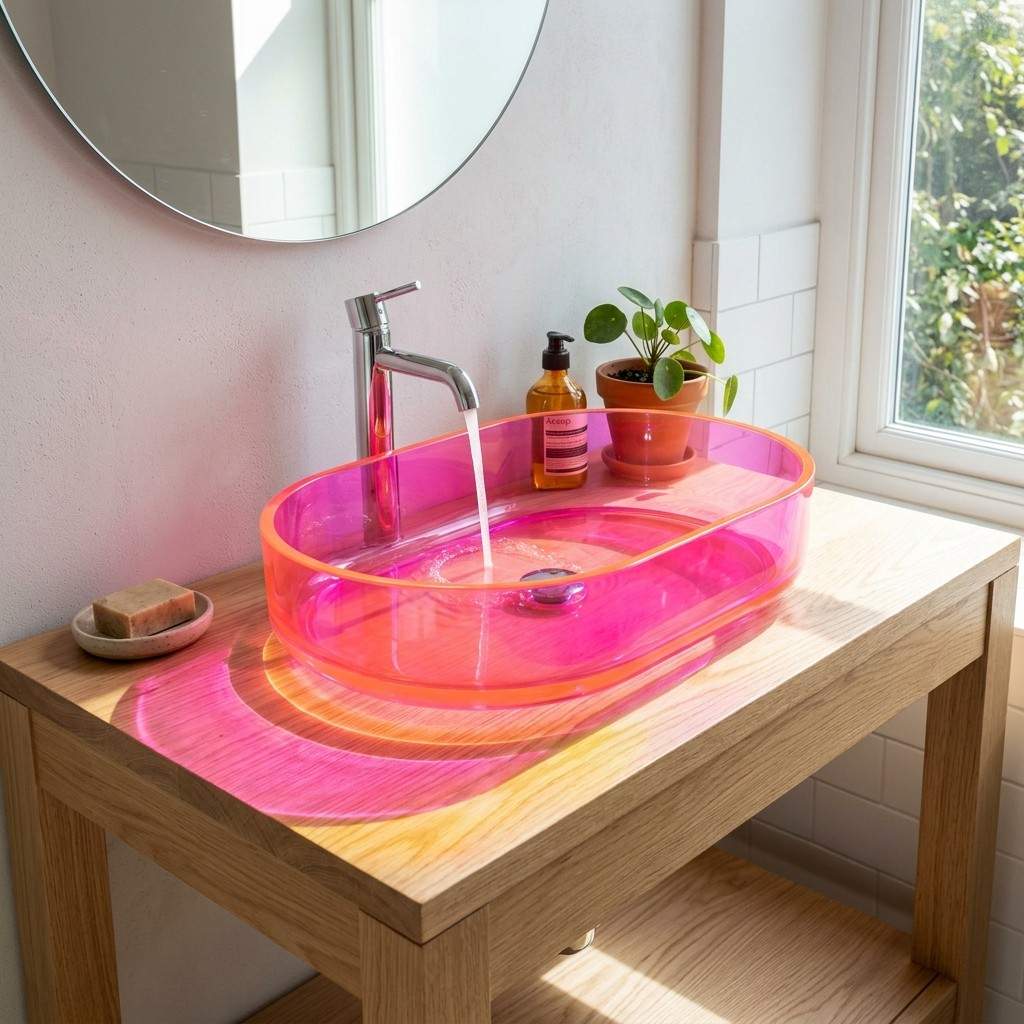
8. Natural Stone “River Bed” Basins
For a kitchen that disappears into the landscape, a basin carved from a single piece of river stone or granite is the ultimate luxury. The rough, organic exterior and smooth, polished interior provide a tactile experience that connects the child directly to the earth. This design works exceptionally well in gardens that feature our DIY Bird Bath Ideas, as the stone elements create a cohesive, nature-first visual language.
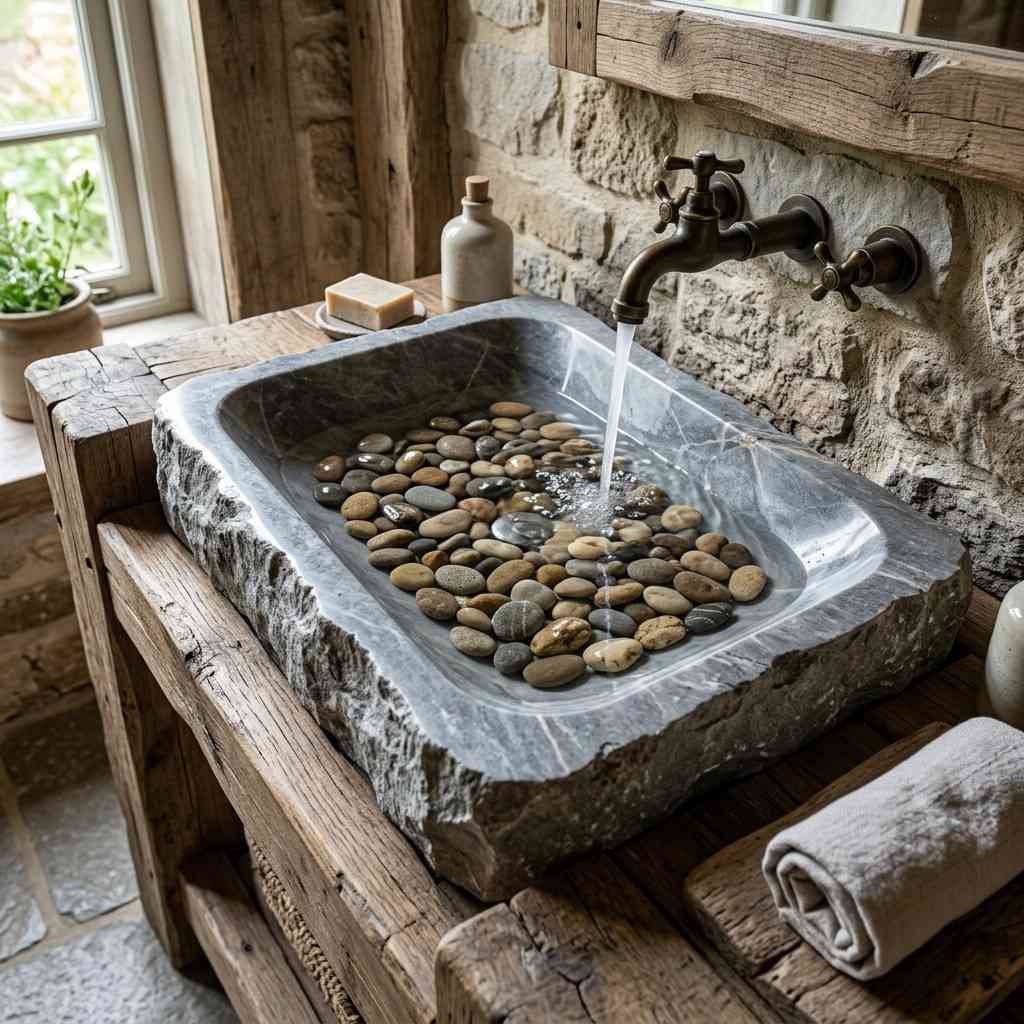
9. The Collapsible Silicone Space-Saver
If your backyard space is at a premium, a mud kitchen with a pop-up silicone sink allows you to collapse the basin when not in use. These colorful, modern materials are easy to clean and extremely durable against the sun’s UV rays, making them a practical choice for urban patios. It represents the pinnacle of efficient design, ensuring that even a small balcony can host a world-class sensory play experience for your family.

10. Floating Glass “Waterfall” Sinks
Using a thick, tempered glass basin creates a stunning visual of “floating” water that feels incredibly modern and high-concept. When paired with a continuous-flow garden hose attachment, it creates a gentle waterfall effect that is both visually and auditorily soothing. This “spa-core” approach to play design ensures that the mud kitchen is as relaxing for the parents to look at as it is fun for the children to use.
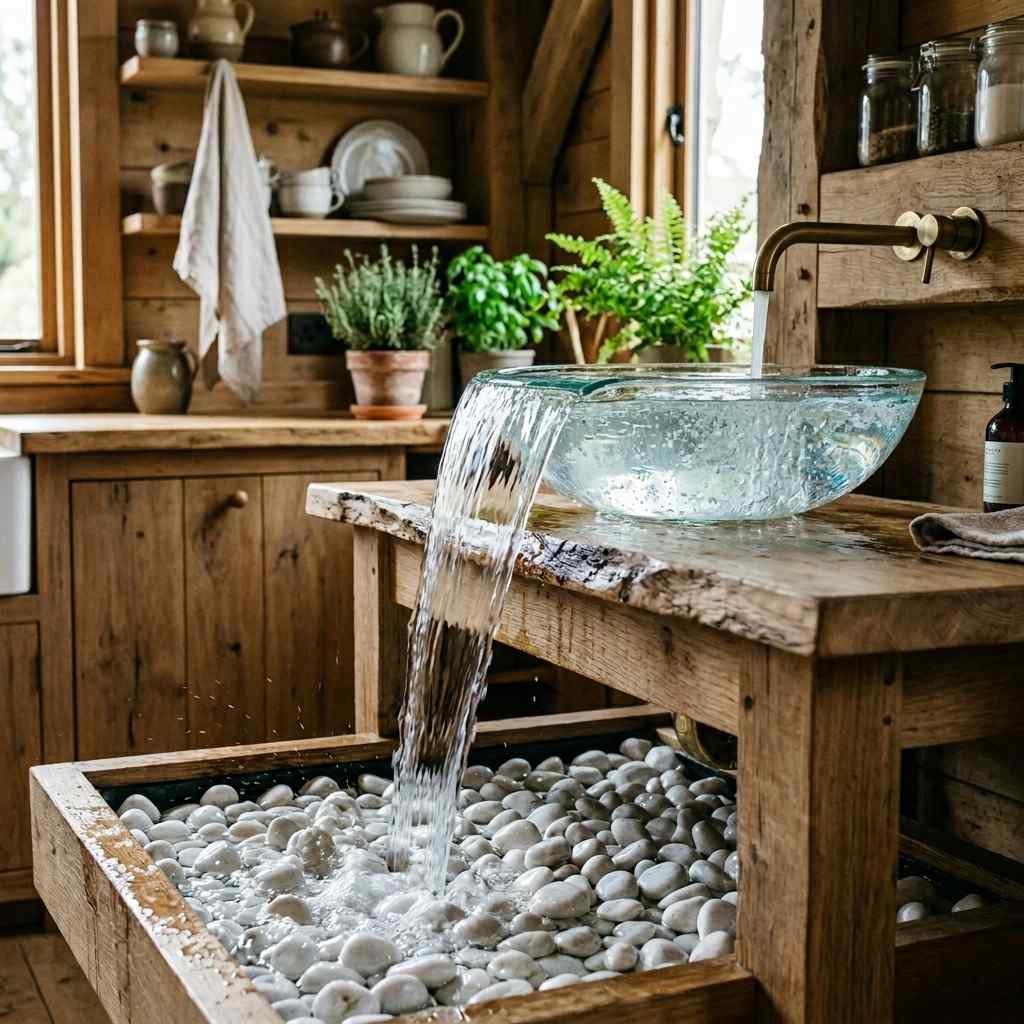
11. Black Matte Composite Basins
A black quartz or granite composite sink offers a moody, sophisticated look that hides dirt and mud stains perfectly. This choice is ideal for those who want their mud kitchen to match the sleek, dark hardware of a modern Bathroom Remodeling Ideas project. The matte finish is soft to the touch and provides a high-contrast backdrop for bright green leaves and colorful flower petals during “cooking” sessions.

12. Geometric Hexagonal Tiled Basins
Custom-lining a wooden sink frame with small hexagonal tiles allows you to introduce color and pattern into the mud kitchen. Whether you choose a classic “beehive” white or a vibrant Mediterranean blue, the tiles provide a durable, waterproof surface that is incredibly satisfying to scrub clean. This artistic approach turns the sink into a piece of handcrafted jewelry for the backyard, showcasing a high level of DIY craftsmanship.
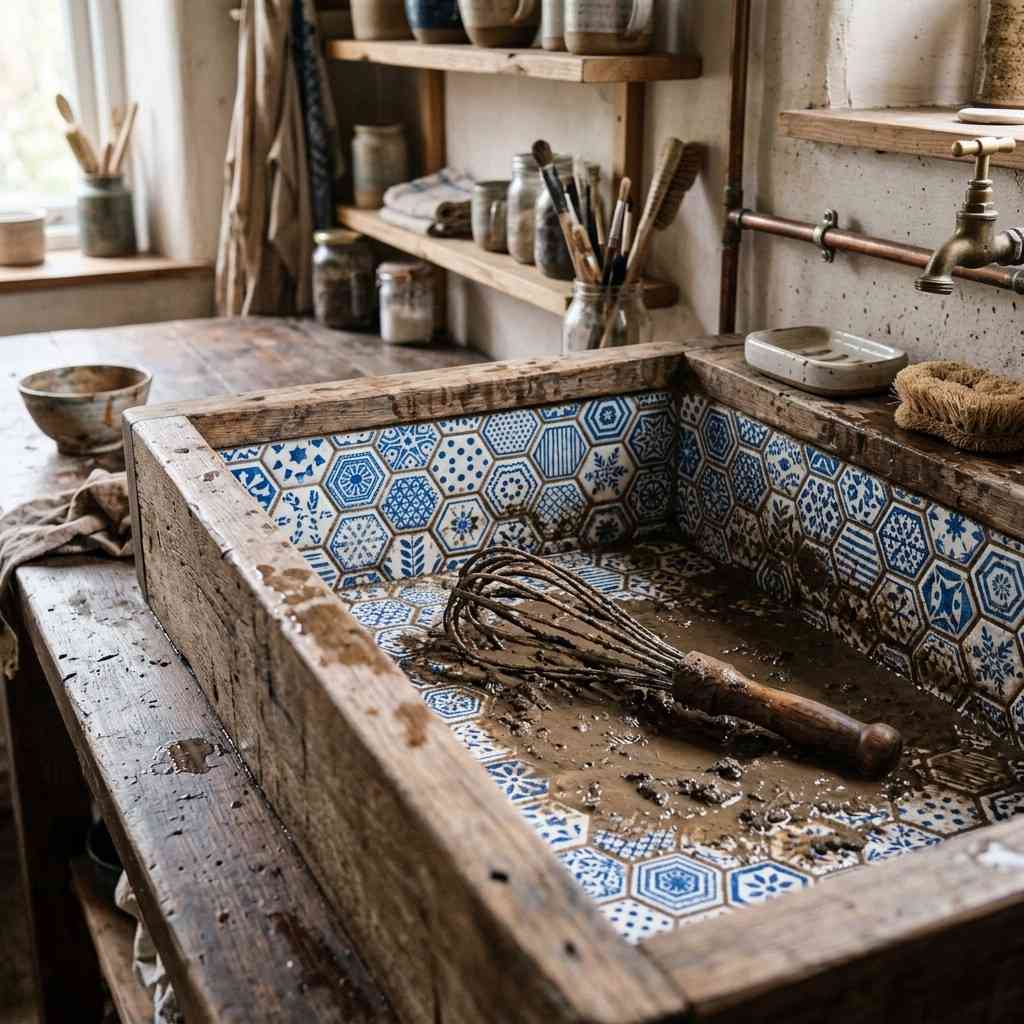
13. The “Found Object” Galvanized Bucket
There is a rugged, industrial beauty in a simple galvanized steel bucket dropped into a circular cutout in a heavy timber workbench. The zinc coating prevents rust, making it a long-lasting and affordable solution that fits perfectly into a rustic or farmhouse-style garden. It is a “no-nonsense” design that prioritizes function and durability, ensuring your mud kitchen can withstand years of heavy, enthusiastic use.
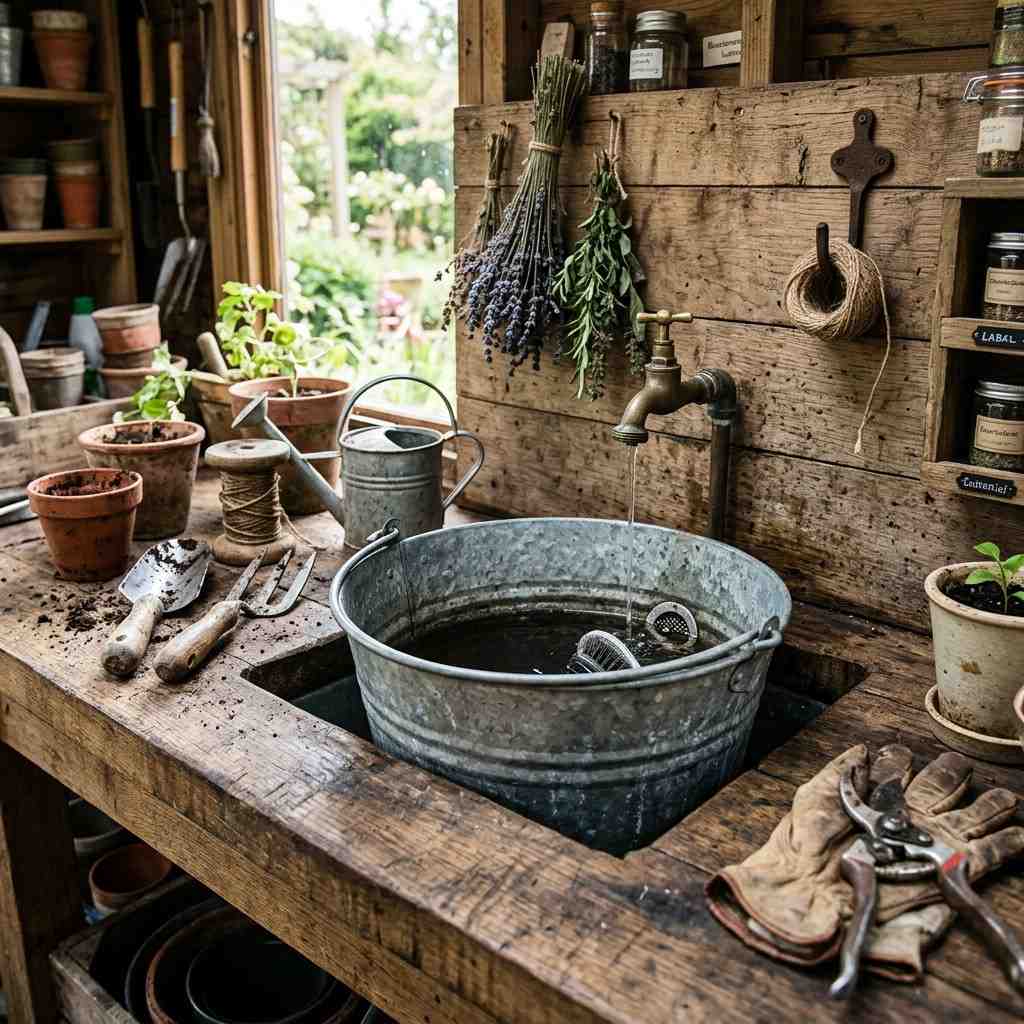
14. Integrated “River” Sluice Sinks
Instead of a traditional square basin, consider a long, narrow sluice that allows water to travel from one end of the kitchen to the other. This encourages children to explore the physics of water flow and gravity as they move mud and “ingredients” down the line. It’s a sophisticated engineering feat for a play space that mirrors the thoughtful water management found in high-end Fairy Garden Ideas.

15. The Professional “Bar” Sink with Sprayer
Adding a pull-down sprayer faucet to a small bar-sized sink gives children the ultimate tool for “cleaning” their play vegetables and pots. The high-pressure spray makes the cleanup process part of the play itself, teaching responsibility in a way that feels like an adult task. This “mini-me” design is a favorite for kids who love to mimic their parents’ movements in a high-end, functional kitchen environment.
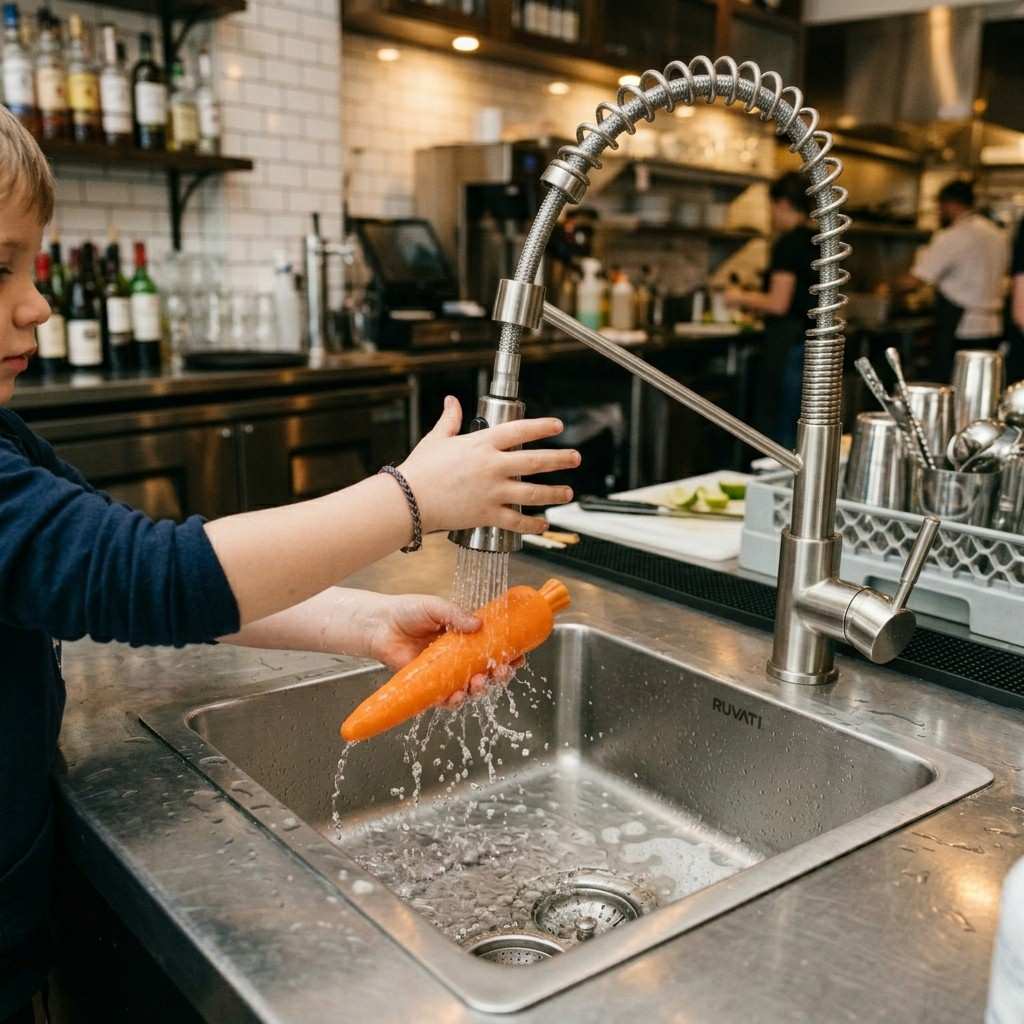
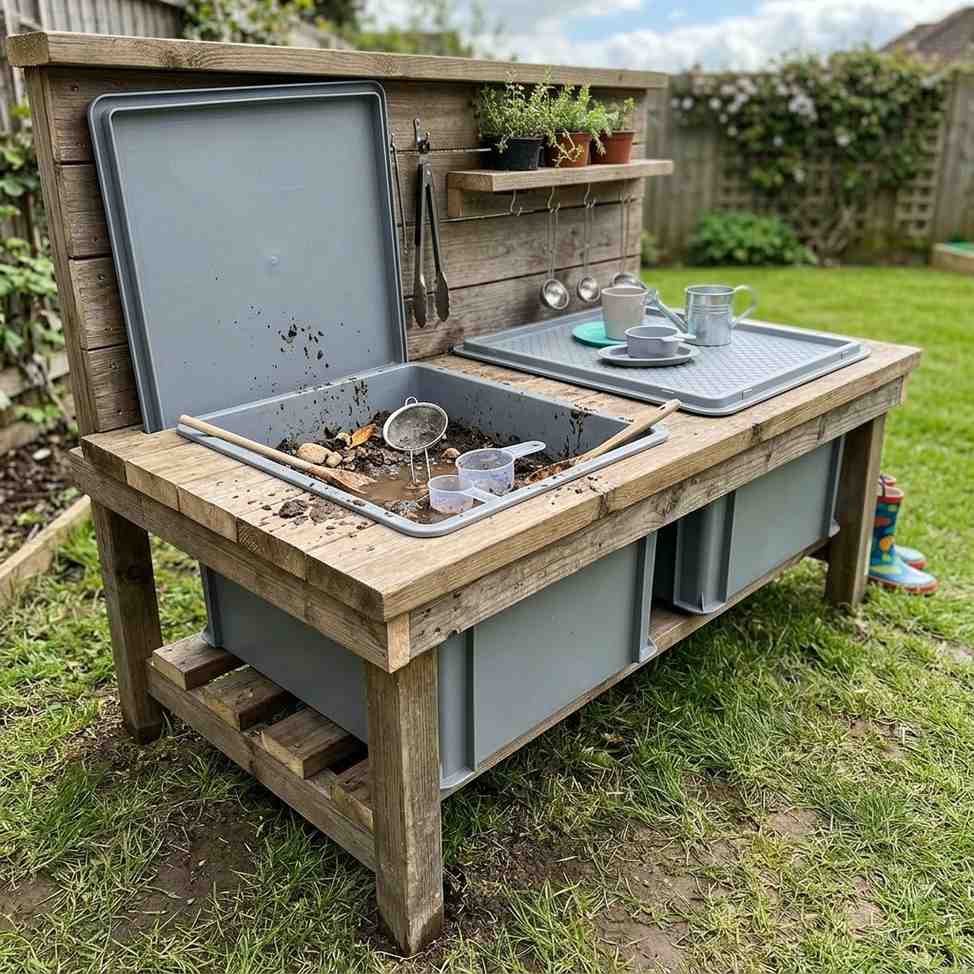
16. Recessed Plastic Tubs with Lids
For the most practical parents, using heavy-duty plastic bins that can be lidded at the end of the day keeps the “mud” contained and prevents debris from filling the basins. These tubs can be swapped out for clean ones in seconds, allowing for a quick transition from “mud play” to “water play.” It is a clever, organized solution that aligns with the efficiency-first mindset of our Cheap Garage Organization Ideas.
17. The “Deep Sea” Navy Enamel Sink
A deep navy blue enamel sink provides a nautical, coastal feel that looks stunning when paired with white-washed wood. The dark color makes the water appear deeper and more mysterious, which is perfect for “deep sea” imaginative play and toy boat adventures. This color choice is a sophisticated alternative to standard black or white, offering a rich, designer look that elevates the entire backyard’s color palette.

18. Brass-Lined Wooden Basins
For a truly custom, artisan look, lining a wooden sink cutout with thin sheets of brass creates a golden, glowing center for the kitchen. As the brass reacts with the acidity of the mud and water, it creates a unique, ever-changing “art piece” on the sink’s surface. It’s a high-concept choice that values the beauty of natural aging and the intersection of different raw materials in a modern outdoor setting.

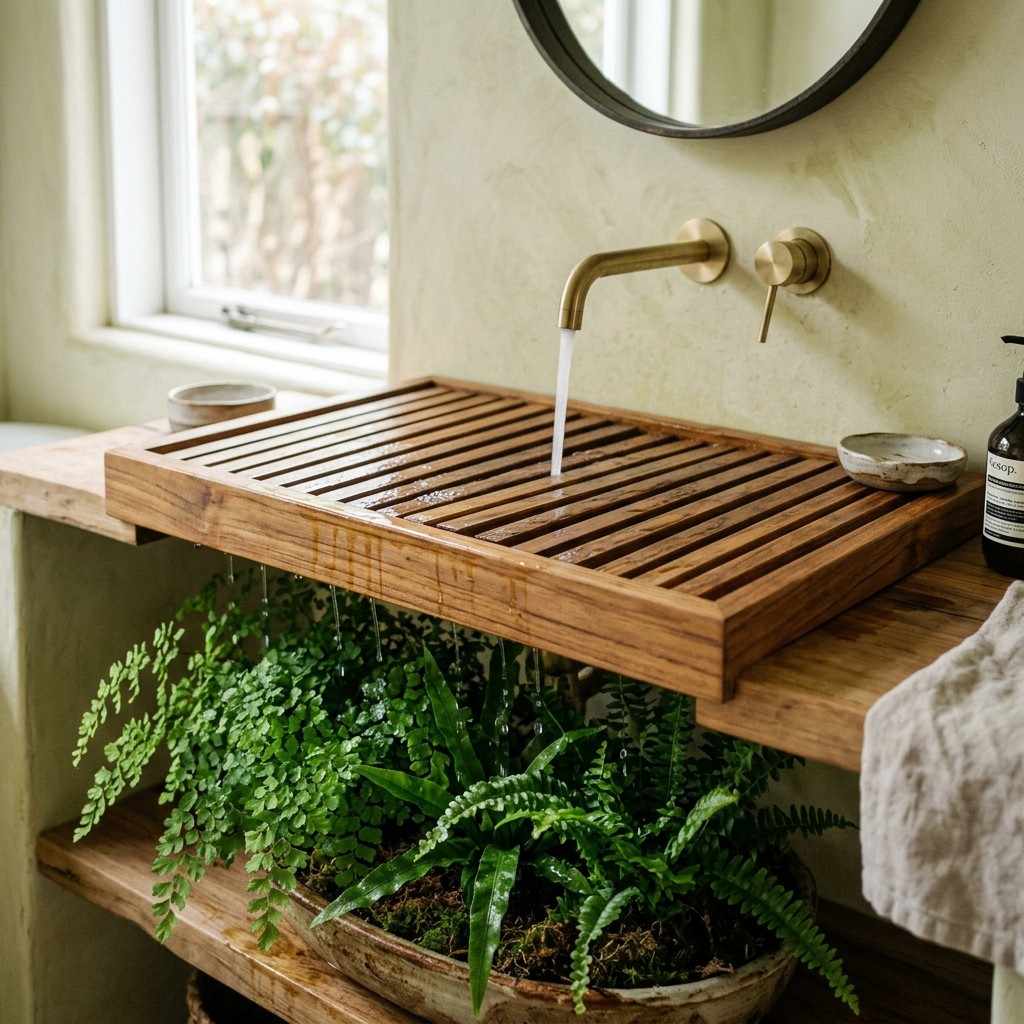
19. The “Self-Draining” Slatted Sink
Rather than a solid basin, a slatted wooden “sink” allows water to drain directly onto the ground (or into a planter below). This is perfect for “washing” stones and sticks without collecting a pool of dirty water, keeping the play area slightly drier and more manageable. This design works exceptionally well for parents who want a “low-maintenance” play station that doesn’t require constant emptying or cleaning.
20. Sculptural Resin “Geode” Basins
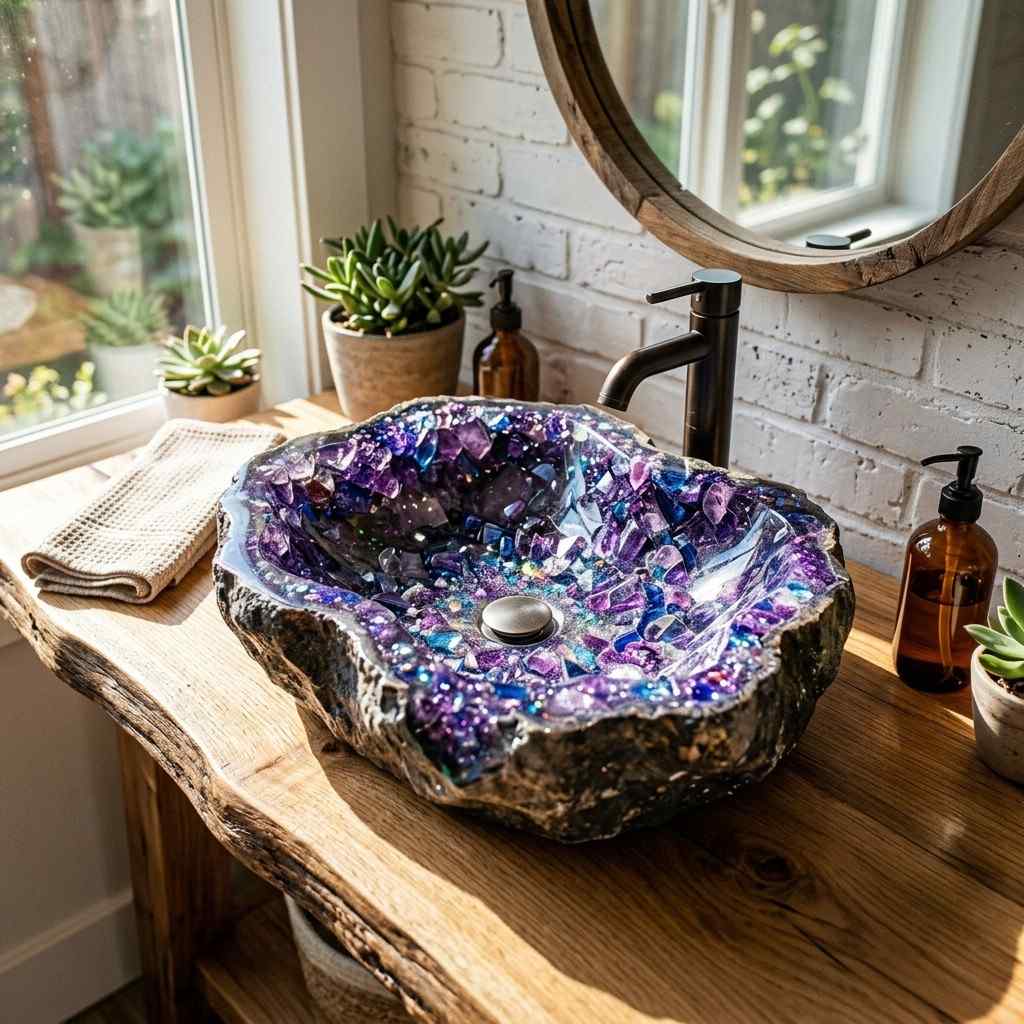
Creating a DIY basin using clear resin and colorful glass “crystals” can make the sink look like a giant, shimmering geode. This whimsical, high-sparkle design is a massive hit for kids who love “magic” and “fairies,” providing a stunning focal point that catches the light. It brings a touch of fantasy to the structured world of backyard design, ensuring your How to Build a Mud Kitchen project is the talk of the neighborhood.
Conclusion: Investing in the Future of Play
In conclusion, the sink is the defining feature of any successful mud kitchen, acting as the catalyst for hours of deep, sensory engagement. By choosing a sink that reflects the architectural quality of your home, you transform a play area into a permanent garden feature that grows with your family. At Homlychic, we believe that every element of your property—including the spaces designed for mess—should be an opportunity for beauty, innovation, and lasting domestic joy.